





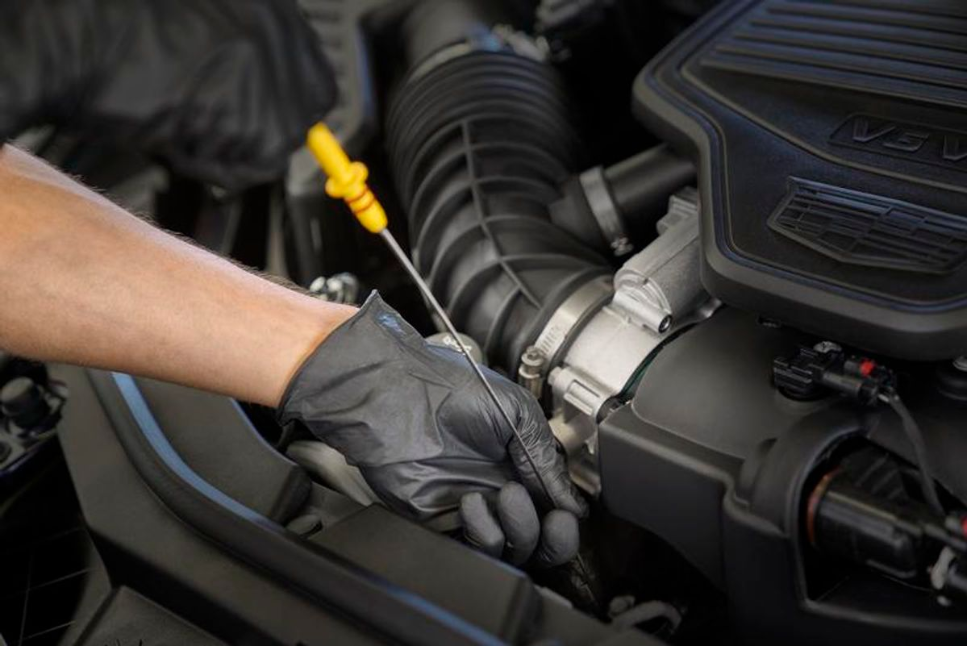
There are certain mechanical truths that resist fashion, trend, and opinion. One of them is this: engines depend on clean oil in much the same way serious arguments depend on facts. Ignore either for too long, and the consequences become expensive.
For drivers in Princeton, IL—be it daily commuting or the more demanding work often asked of a Ram truck—regular oil changes remain among the most consequential acts of routine vehicle care.
Why Oil Changes Matter More Than People Think
Engine oil performs several simultaneous tasks, none of them optional. It lubricates moving components, manages heat, and carries away contaminants that would otherwise circulate freely through the engine. Over time, oil degrades. It thickens, collects debris, and loses its ability to protect the machinery it was designed to serve.
In climates that see seasonal variation, maintaining fresh oil becomes even more important. Clean oil supports efficiency, stabilizes operating temperatures, and helps preserve internal tolerances that engines rely on for long-term reliability.
Oil Change Intervals and Modern Vehicles
The notion that every vehicle requires oil service every 3,000 miles belongs largely to another era. Advances in engine design and oil chemistry have extended recommended intervals for many modern vehicles, including Ram trucks built for sustained workload and durability.
That said, driving conditions still matter. Regular towing, short trips, or heavy use place additional demands on engine oil. The owner’s manual remains the most authoritative guide, and a knowledgeable service advisor can help align factory recommendations with real-world usage.
Oil Quality and Engine Longevity
Not all oil performs the same task with equal competence. High-quality synthetic oils offer superior stability under extreme temperatures and maintain protective properties longer than conventional alternatives.
For Ram owners who depend on their vehicles for hauling, off-road use, or consistent heavy-duty operation, selecting the correct oil grade is not an indulgence—it is preventative engineering. The modest added cost is often repaid through reduced wear and extended engine life.
The Cost of Neglect
Skipping oil changes rarely announces itself immediately. Instead, wear accumulates quietly, tolerances widen, and efficiency declines. By the time symptoms become obvious, repairs tend to be neither simple nor inexpensive.
A consistent oil service schedule is among the most effective ways to protect long-term value and avoid unnecessary mechanical intervention.
Trusted Service in Princeton, IL
At Princeton CDJR, oil changes are treated as foundational maintenance, not an afterthought. Factory-trained technicians, proper oil specifications, and attention to detail ensure that engines receive the care they require to perform as designed.
Regular oil changes may be routine—but their importance is anything but.
Connect with us

